01
Incomplete existing information
Hidden conditions, old drawings, inaccessible risers, uneven floors, prior work, and building changes can alter the plan. Investigate what can be investigated and carry responsible contingency for what cannot.
Resources / Learn
Risk management is not about making a renovation sound difficult. It is about naming the ordinary things that can make a project difficult while there is still time to respond.
A useful starting point
01
Hidden conditions, old drawings, inaccessible risers, uneven floors, prior work, and building changes can alter the plan. Investigate what can be investigated and carry responsible contingency for what cannot.
02
Selections, appliances, stone, millwork, specialty hardware, and approvals can all become schedule risks when decisions arrive after the work needs them. Procurement belongs in the planning conversation.
03
When the owner, architect, designer, contractor, building, and consultants assume someone else is handling a question, the field absorbs the delay. Put ownership and response paths in writing.
04
A credible schedule accounts for review, inspections, deliveries, protection, sequencing, punch-list work, and the possibility that an existing condition changes the next step. Precision is not the same as false certainty.
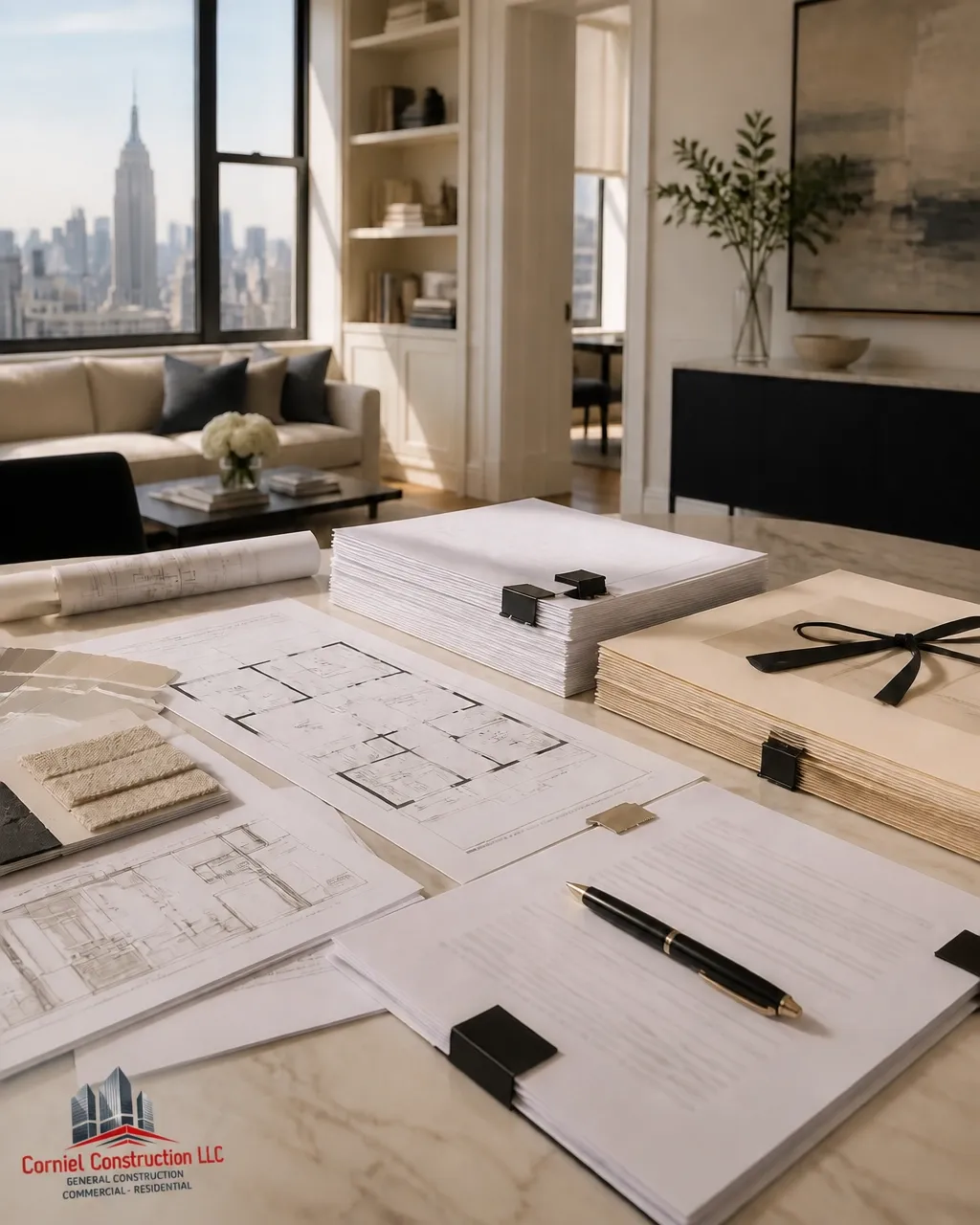 AI-generated illustration. Not a completed Corniel project.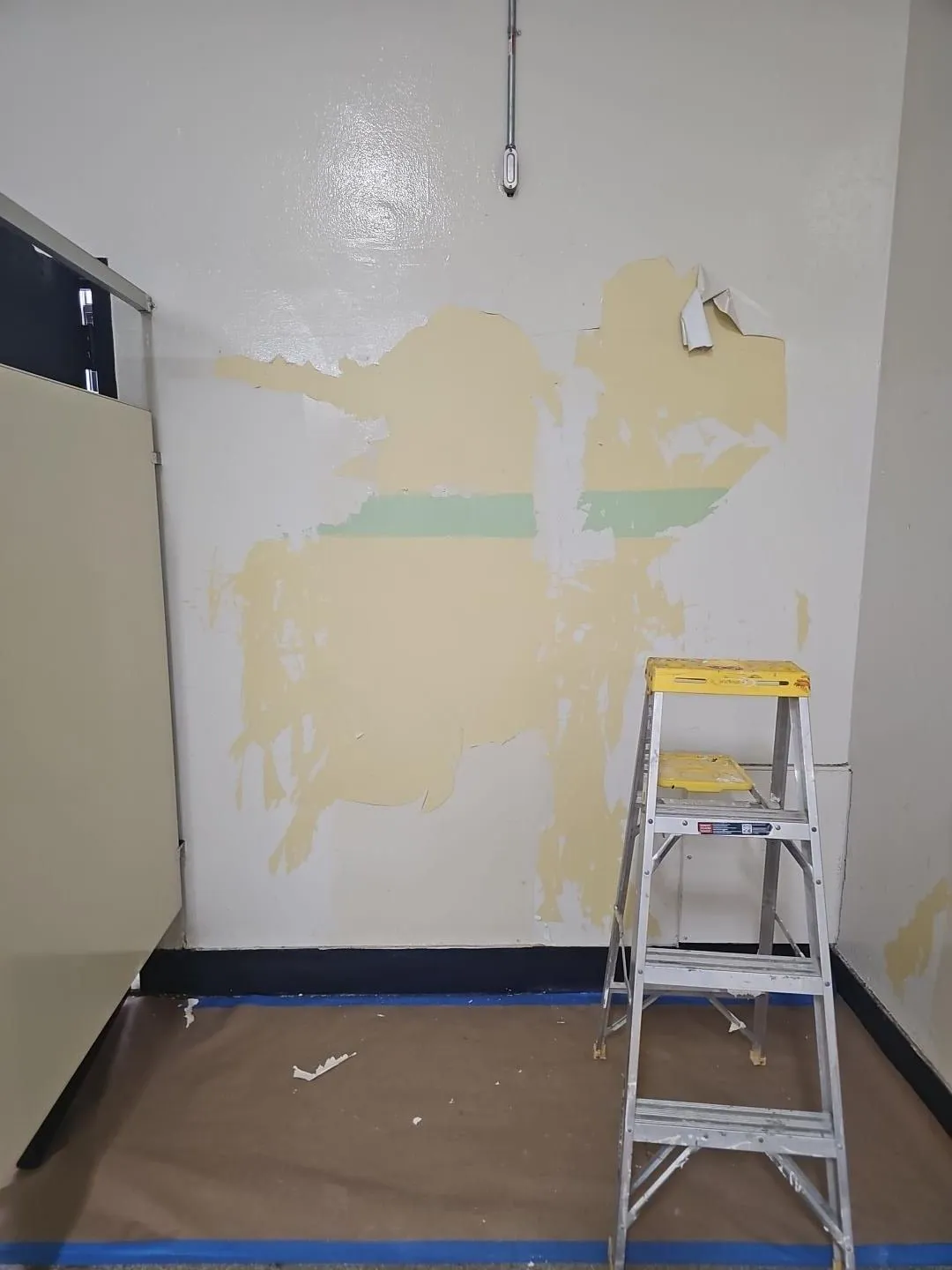
Keep researching
Ready to make it specific?
A property address and a rough scope are enough to begin. The first conversation is about understanding the conditions, not forcing a premature answer.
Corniel Construction
Manhattan renovation guidance
Rules-based prototype · not production-approved